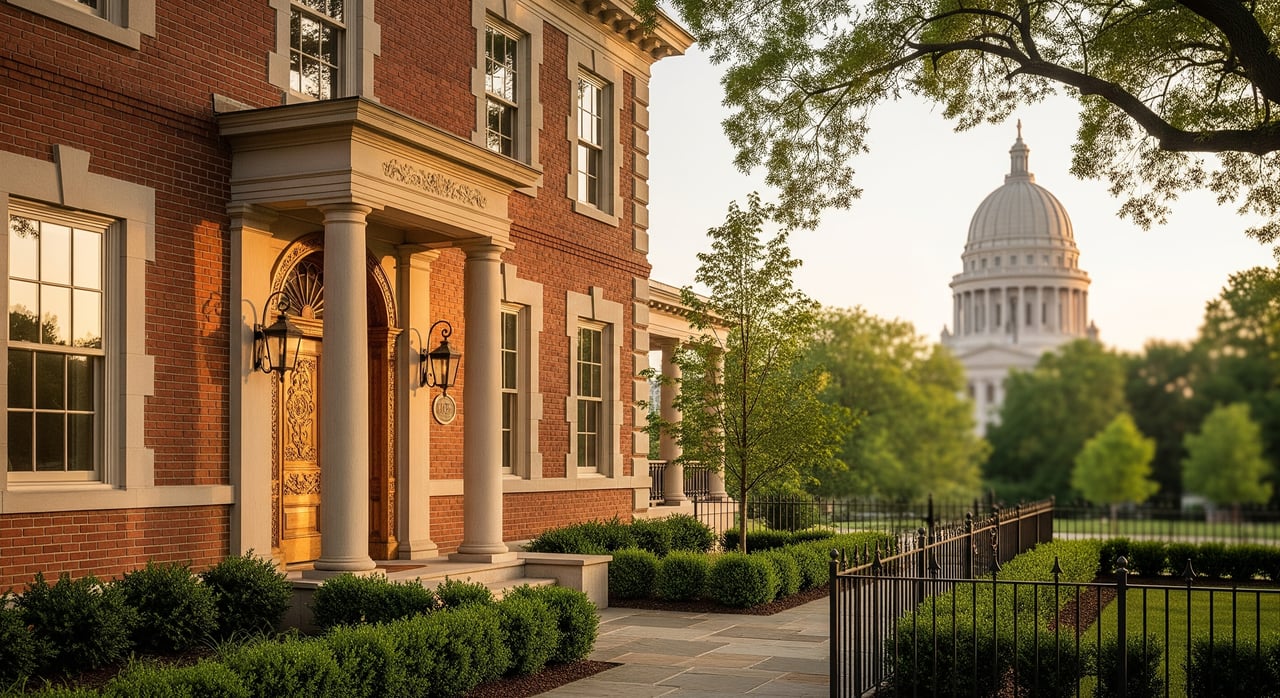
Thinking about updating your University Heights home and hoping it pays off when you sell? You’re not alone. In this local historic district, buyers love original character but expect modern comfort and reliability. The right projects can balance both and boost your resale appeal.
In this guide, you’ll learn which updates matter most in University Heights, how to keep renovations historically sensitive, and a practical order of operations to stretch your budget. Let’s dive in.
What buyers want in University Heights
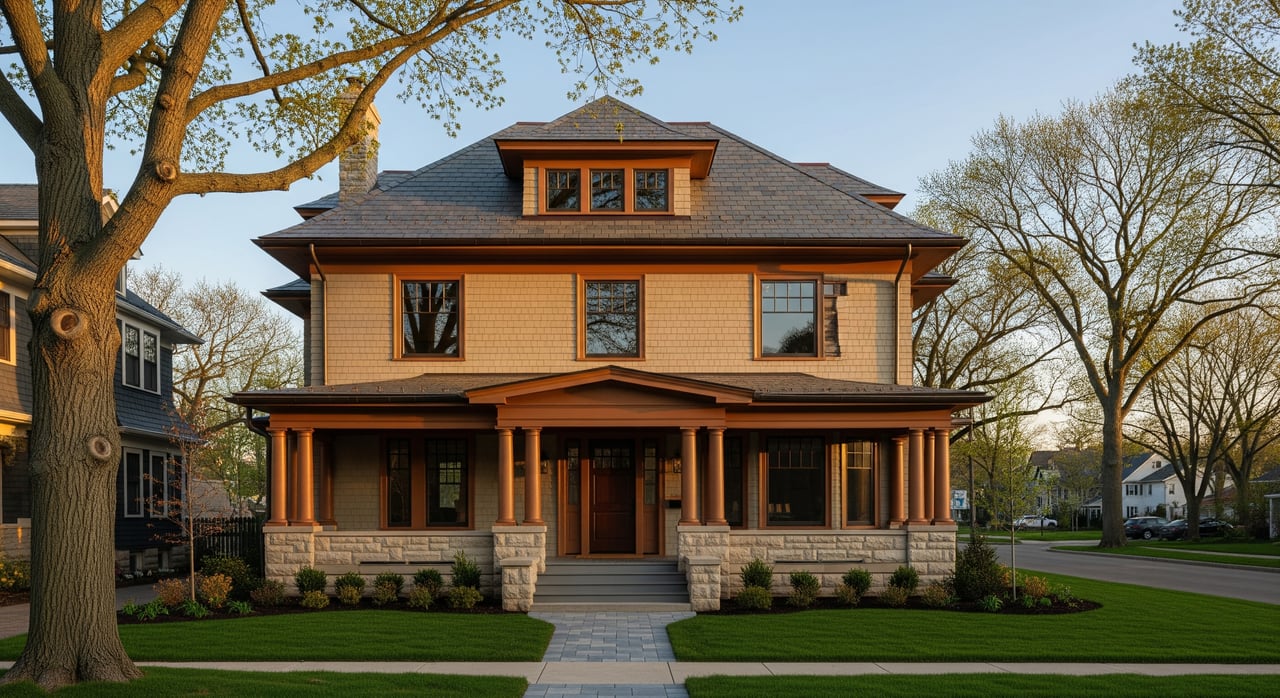
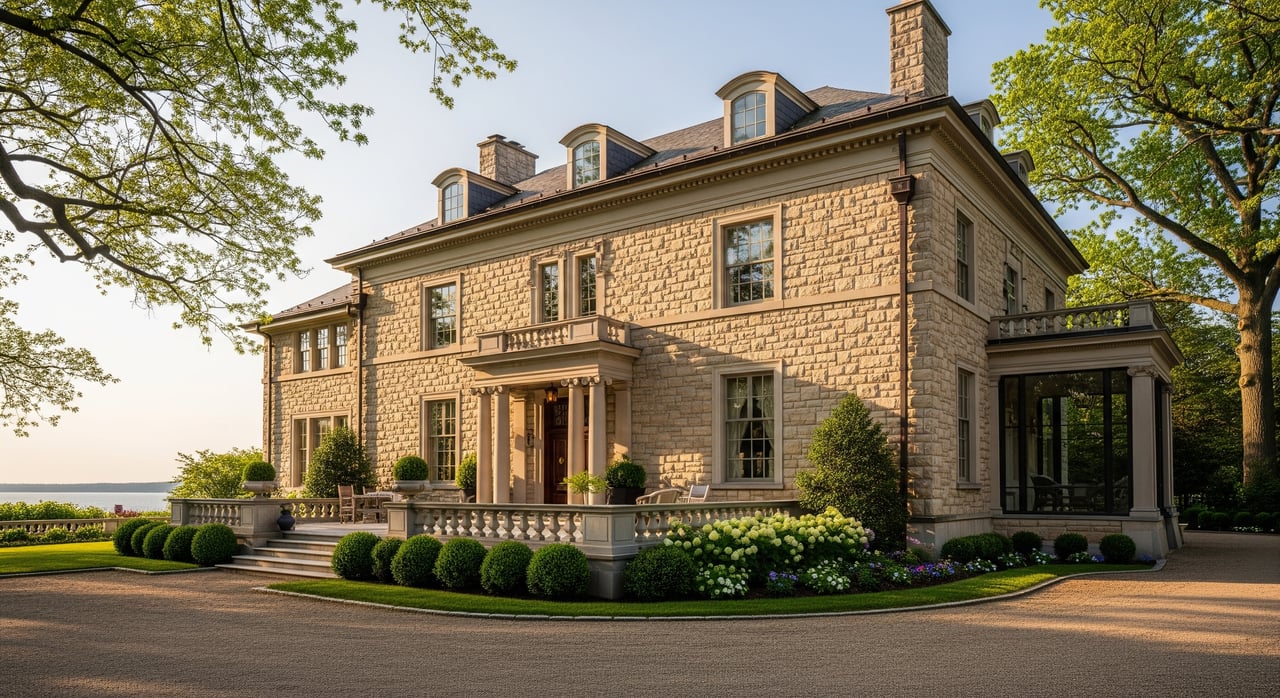
Early to mid‑20th century homes define the neighborhood. Buyers are drawn to Craftsman and Colonial Revival details, wood trim, built‑ins, porches, and mature landscaping. At the same time, they want everyday function: updated kitchens and baths, dependable systems, and energy-aware improvements.
The big takeaway: preserve or restore defining features where you can, and modernize the parts of the home that make daily life easier.
High-impact projects that fit the district
Kitchens: function first, character intact
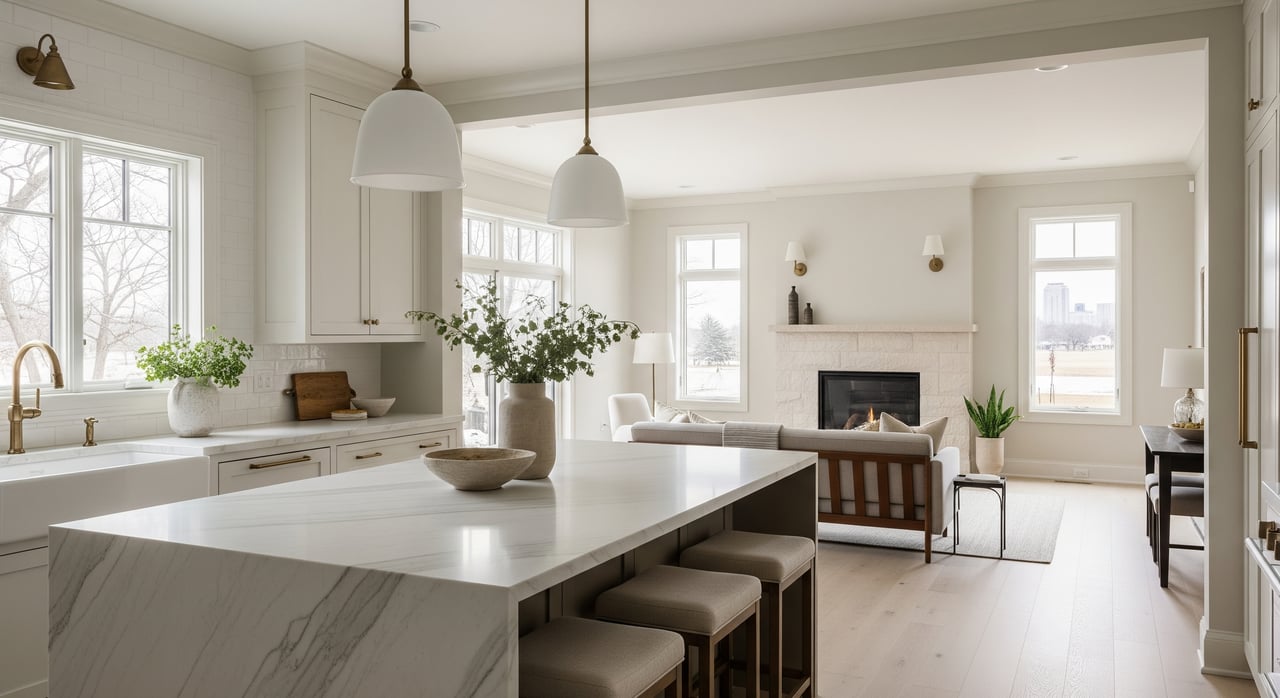
Kitchens carry outsized weight at resale. Focus on practical upgrades that improve daily use:
- Refinish or replace dated cabinets; preserve original cabinet proportions when possible.
- Choose durable counters like quartz or well-sealed stone.
- Install ENERGY STAR appliances and update task and ambient lighting.
- Add storage solutions such as pullouts or pantry inserts.
Keep the historic thread by matching trim profiles, using period-appropriate hardware, and retaining woodwork that gives the room its character.
Bathrooms: clean, efficient, and timeless
Bathrooms should feel fresh and well maintained. Value-focused steps include:
- Replace failing finishes and plumbing, and add storage where practical.
- Choose efficient, good-performing fixtures and updated ventilation.
- Re-tile or reglaze tired surfaces; select fixtures that complement the home’s era.
Systems: solve hidden objections early
Buyers look closely at deferred maintenance. Upgrading systems reduces inspection surprises and ownership costs:
- HVAC: High-efficiency systems, including heat pumps in cold climates, improve comfort and utility costs.
- Water heating: Consider a heat-pump water heater or a high-efficiency tank.
- Electrical: Update the service panel and ensure safe wiring with required GFCI/AFCI protection.
- Insulation and air sealing: Target the attic and basement or crawlspace for strong comfort and efficiency gains.
These changes usually have minimal visual impact but make a major difference in how a home feels.
Windows and exterior envelope: repair first
Original wood windows contribute to curb appeal and authenticity. Often, the best path is to repair and weatherize them and add interior or exterior storms for efficiency. If replacement is necessary, choose high-quality wood or wood-clad units with sightlines and muntin profiles that match the original look.
Also address roof leaks, flashing, and any rot. A sound roof and tidy exterior remove big inspection hurdles.
Porches and entries: where first impressions form
Porches are signature features in University Heights. Make them shine:
- Repair structural elements, railings, and columns.
- Refinish wood, refresh lighting, and upgrade entry hardware.
- Use thoughtful landscaping to frame the walk and create usable outdoor space.
Targeted exterior updates often punch above their weight at resale.
Basements and attics: add space carefully
Additional finished square footage can help, but only when it feels dry, safe, and integrated with the home. Prioritize moisture control, code-compliant egress, and adequate headroom. Avoid low-quality finishes that buyers will view as a redo.
Accessibility features: broaden your buyer pool
Simple changes can appeal to more buyers. If feasible, create a first-floor half or full bath, widen a key entry, or add a discreet, compatible ramp solution.
Renovate with historic sensitivity
Core principles for older homes
- Identify and protect character-defining features like trim, doors, windows, built-ins, and porch details.
- Favor repair over replacement when possible to preserve authenticity and often save long-term costs.
- Make reversible changes so future owners can undo them if they wish.
- Match scale, materials, and profiles on elements visible from the street.
Practical tactics that work
- In kitchens and baths, retain or replicate original moldings and door profiles.
- For windows, restore sash and add weatherstripping and storms when feasible; choose compatible profiles if replacing.
- On porches and exterior trim, use rot-resistant wood or high-quality composites that match original appearances.
- Select paint colors and finishes that complement the home’s era.
- Route new mechanicals through attics, basements, or closets to minimize impact on decorative plaster or trim.
Balance character and comfort
Most buyers want the best of both worlds. Keep visible, defining features intact while updating the invisible systems that improve comfort and safety. This pragmatic mix resonates strongly at resale in historic neighborhoods.
Prioritize and budget for ROI
A step-by-step plan
- Safety, code, and deferred maintenance
- Fix roof leaks, structural rot, electrical hazards, and major plumbing issues first.
- Comfort and operating costs
- Upgrade HVAC, insulation, and water heating to address comfort and efficiency.
- Kitchens and baths
- Target function and durability without overspending on ultra-lux finishes.
- Exterior and curb appeal
- Refresh porches, paint, and landscaping to elevate first impressions.
- Added space and premium upgrades
- Consider finishing a basement or higher-end upgrades only if budget and local comps support it.
Smart budgeting moves
- Focus on high-impact, lower-cost projects if cash flow is tight: paint, a targeted kitchen refresh, minor bath updates, and exterior repairs.
- Price larger projects against recent local sales to gauge likely payback.
- Get multiple bids from contractors experienced with historic homes.
Compare costs to local comps
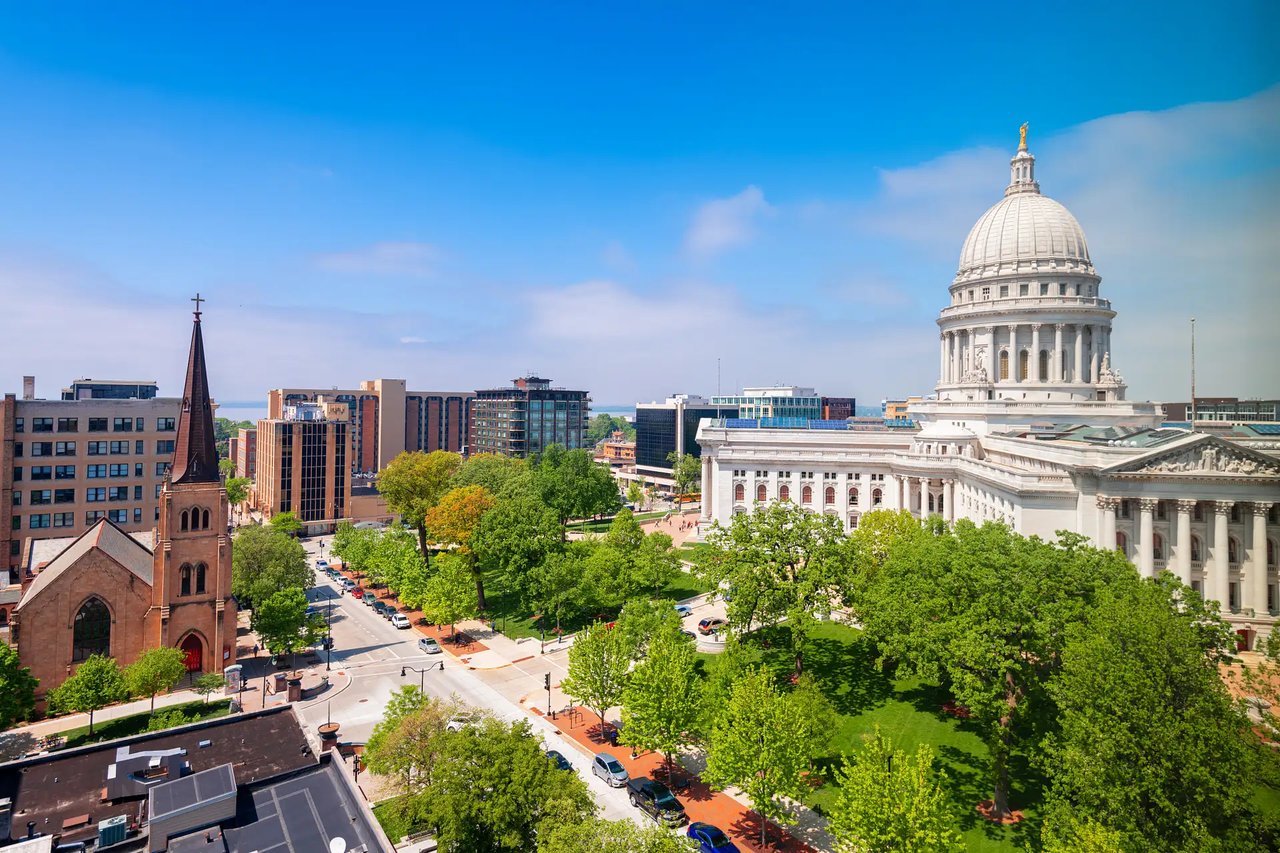
National studies consistently show strong buyer interest in updated kitchens and baths, select exterior projects, and energy improvements. Still, ROI is local. Compare your planned spend to recent sales in University Heights and nearby Madison neighborhoods to estimate the premium your updates may support.
Quick project priorities checklist
- Identify and protect key historic features before work begins.
- Eliminate safety issues and repair active leaks or rot.
- Improve comfort and efficiency with HVAC, insulation, and water heating.
- Refresh kitchens and baths for function, storage, lighting, and clean finishes.
- Repair porches and enhance the front entry and landscaping.
- Weigh added finished space only after the essentials are complete.
Common mistakes to avoid
- Removing original features that define the home’s style when they could be repaired.
- Choosing window replacements that clash with historic profiles when restoration or storms would work.
- Finishing a basement before addressing moisture and egress.
- Overspending on luxury finishes that exceed what local comps support.
- Routing mechanicals in ways that damage decorative plaster or trim.
When to call in help
- Historic guidance: The City of Madison’s historic preservation resources can help you understand district context and best practices.
- Technical preservation: National Park Service Preservation Briefs and the National Trust for Historic Preservation offer homeowner-friendly guidance.
- Energy and systems: Look to reputable energy-efficiency resources for insulation and HVAC best practices.
- Market strategy: A local listing consultation helps you align scope and budget with buyer expectations and neighborhood comps.
The bottom line
In University Heights, the strongest resale stories pair preserved character with modern function. Address safety and systems first, refresh kitchens and baths for everyday living, and maintain the exterior details buyers notice from the curb. Keep changes compatible with the home’s era, and you’ll protect authenticity while meeting today’s expectations.
If you’re weighing project scope, timeline, and budget, we’re here to help you plan for resale. Connect with The Gern Zehel Team to talk through comps, staging, and a step-by-step listing strategy.
FAQs
What adds the most resale value in University Heights?
- Functional kitchen and bathroom updates, reliable mechanical systems, and well-maintained porches and exteriors that preserve historic character.
Should I replace original windows in my Madison historic home?
- Start with repair and weatherization plus storm windows; if replacement is necessary, choose high-quality units with profiles that match the originals.
How can I modernize without losing historic character?
- Keep visible features intact or accurately replicated, upgrade systems where they won’t alter key details, and choose materials and fixtures that suit the home’s era.
Is finishing a basement better for resale than updating the kitchen?
- Kitchens generally deliver broader appeal and clearer resale impact; basement value varies with quality, moisture control, and how well the space integrates.
Are energy efficiency upgrades worth it in older homes?
- Yes. Insulation, air sealing, high-efficiency HVAC, and efficient water heating improve comfort and operating costs without conflicting with preservation when done thoughtfully.